Humanity in Design
The aspects of architecture have always been linked with form, functionality, and the beauty of the structure. However, another philosophy is transforming the industry: the philosophy of architecture as being not just about having buildings built, but about being an architect of experiences. In the present day, individuals desire spaces to be emotional, promote well-being, and convey meaningful stories. To this, Emerging Architects as well as experienced Urban Architects are redefining the concept of design. They do not think about walls, floors, and roofs; they think about journeys, feelings, and human interaction.
Architecture used to aim at making efficient and functional structures. It was through durability, budget, and appearance. Although these aspects still persist in being crucial, contemporary architecture has now taken a new dimension of deep meaning. It is the spaces that make human experience more complete nowadays; places that inspire imagination, bring about a sense of community, and a sense of belonging that are the most celebrated. Whether it is a small home or a massive metropolitan project, the new breed of architects realizes that effective design is one that takes into account how individuals live, think, and feel.
Human-Centered Design
The experience-based architecture is based on the human-centered design, which begins with the knowledge of the needs of the people who will utilize the space. It is at a young age in their career that Emerging Architects are taught that empathy is as important as technical skill. They interview and observe the behavioral patterns and how individuals relate to the environment. Instead of compelling individuals to fit in a space, they make spaces that fit individuals.
The best example of such an approach is urban settings. City planners should not just think about the building but rather pay attention to the open spaces between the buildings, including the streets, pavements, parks, meeting places, and the movement of people. The success of a city cannot be determined based on the buildings that it has, but rather the quality of life it offers to its citizens.
Consider a public plaza. A traditional architect can consider it as a sitting space with benches. However, an Urban Architect who is experience-centered poses more questions: What happens to people when they enter this space? Is it inviting? Is it interacting, reflective, or playful? What are the sensory factors, light, sound, and greens, that can be used to enhance the environment?
The Art of Emotional Storytelling.
Architecture has turned out to be a narration. The finest spaces narrate about culture, identity, and the people the spaces provide. This narrative-based approach is being driven particularly by Emerging Architects who are integrating the idea of local history, sustainability, and cultural meaning in their designs.
A library has ceased to be a building to store books. It is transformed into a refuge of education and a secure area to socialize. A house is not just a roof, but it is also a mirror of what people who live there want to be and the way they live. A workplace is not built to accommodate a desk alone but to enable people to work together, be creative, and be mentally healthy.
These architects know that each and every design decision, such as lighting, materials, circulation, etc., will influence how a user is going to experience a space. Natural lighting and warmth make one feel welcomed. Large ceilings give the feeling of freedom. The use of natural materials creates a feeling of ease and tranquility. Through this, architecture is made emotional.
Participation and Co-Creation.
The modern methods also engage the users in designing. Instead of coming with an existing blueprint in place, Urban Architects and their teams encourage residents, community organizations, and future users to engage in ideation. This participatory model creates more emotional relations between individuals and space.
In the case of Emerging Architects, humility and flexibility are taught. They soon realise that architecture does not mean imposing vision onto it, but listening and rendering the will of everyone into spatial answers.
Technology: The New Experience Tool.
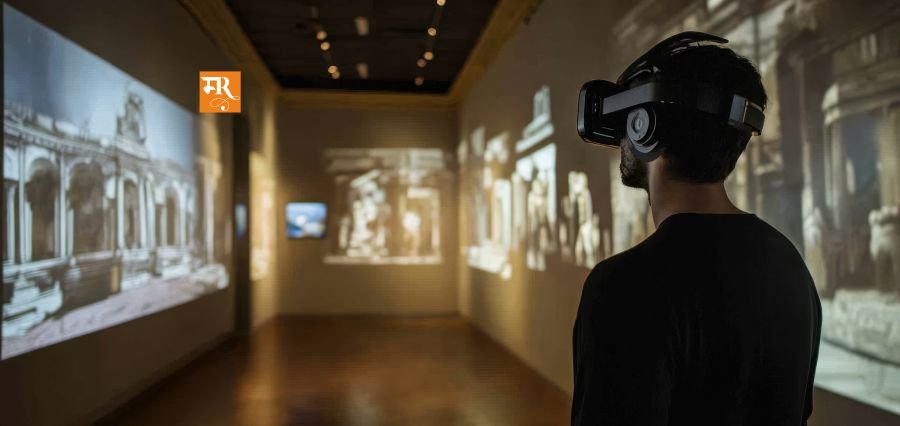
The digital tools are improving the experience creation by architects. The virtual reality and 3D modeling will enable the clients to explore the space they are going to be in, even before it is there. This renders architecture in an interactive way before construction starts. Users are able to play around in various lighting settings, experiment with furniture arrangement, or simulate the way a space changes over the course of the day.
To Urban Architects tasked with large-scale developments, data and mapping technologies are eye openers in terms of the traffic patterns of the pedestrians, the movement of the sun, how the wind blows, and what the people need. These instruments assist them in creating spaces that are practical and gaining interest as well as fun.
Professionally, beyond Aesthetics: Designing for Impact.
The architecture of the future is not in the appearance of buildings, but their sensations. The architects can create experiences, not only buildings, and this experience leaves an imprint on the memories of people who like it and come back. The future of the cities and communities will be defined by individuals who will realize that architecture is not constructed, it is experienced.
Architecture is not merely a task in this modern world; it is also an act of creating experiences that move us, lift us, and connect us.