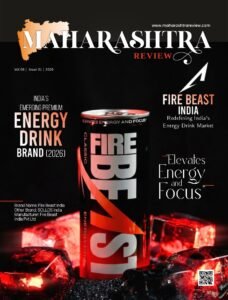
Building Premium Brand
There was a time when energy drinks meant one thing: a loud can, a louder logo, and enough caffeine to keep a college student awake through finals week. That era isn’t entirely over, but the beverage aisle looks noticeably different today. A quieter, more considered kind of energy has moved in, and it’s reshaping how brands think, compete, and grow.
The shift isn’t just cosmetic. It reflects something deeper about what people want from the products they put in their bodies.
From Shock Value to Substance
The first wave of energy drinks sold attitude. They sponsored extreme sports, leaned into rebellion, and made no apologies for their ingredient lists. For a while, that worked brilliantly. But consumer priorities don’t stay still, and somewhere along the way, a growing number of people began asking a fairly reasonable question: What is this actually doing to me?
That question opened the door for wellness-focused beverages to step through, and they did, confidently. Brands that led with adaptogens, nootropics, electrolytes, and clean-label formulations found a receptive audience that wasn’t just health-conscious but increasingly health-literate. These weren’t niche buyers. They were mainstream consumers who had simply started reading labels.
The Ingredients Behind the Identity
What separates a wellness-focused beverage from a traditional energy drink isn’t just the absence of artificial ingredients; it’s the presence of intentional ones. Ashwagandha for stress resilience. Lion’s mane for cognitive clarity. L-theanine paired with caffeine for smooth, jitter-free focus. These aren’t additions made for marketing copy alone; they reflect genuine beverage industry innovation rooted in consumer demand and nutritional science.
Brands that understood this built their identities around the ingredient story itself. Rather than hiding their formulations behind vague “proprietary blends,” they led with transparency. The campaign became a conversation about what works and why, a refreshing change in a category that had previously treated its own contents as an afterthought.
Premium Pricing and What Justifies It
A wellness-focused beverage rarely sits at the budget end of the shelf, and that’s not accidental. Premium positioning in this space is earned, or at least, it should be through sourcing, formulation quality, and the credibility of the brand behind the product.
Consumers paying four or five dollars for a functional drink are implicitly asking: Do I trust this? The brands that answer yes convincingly are the ones investing in third-party testing, clean certifications, and honest communication about what their products can and cannot do. Overpromising is a short-term strategy; the wellness audience has a long memory for brands that disappoint.
Packaging plays its part, too. The visual language of this category: muted palettes, botanical motifs, minimal typography, signals something before a single ingredient is read. It says: we’re not here to hype you up. We’re here to help you function better.
Beverage Industry Innovation as a Growth Engine
The broader beverage industry innovation driving this evolution isn’t happening in isolation. It’s connected to wider cultural threads: the rise of sleep optimization, the mainstreaming of meditation apps, and the explosion of interest in gut health. Energy drinks that once existed in their own loud corner of the market now sit within a much larger conversation about daily performance and long-term wellbeing.
This context has forced legacy brands to reconsider their positioning and pushed newer entrants to think more rigorously about what premium actually means. The result is a category that is more scientifically engaged, more transparent, and frankly more interesting than it was a decade ago.
Ready-to-drink formats have expanded into functional teas, sparkling adaptogen waters, mushroom-based coffees, and low-sugar recovery beverages. Each of these carries the same fundamental promise: energy reimagined as something sustainable, not just immediate.
Building a Brand That Lasts
For founders and brand strategists entering this space, the lesson from the past few years is relatively clear. Wellness-focused beverages succeed when they are built around genuine consumer insight rather than trend-chasing. The functional drink buyer is discerning. They research. They compare. They talk to other discerning buyers.
That means the strongest brands in this category aren’t just product companies, they’re trust companies. Every claim on the label, every partnership with a health professional, every piece of educational content is a deposit into an account that consumers either choose to keep open or close.
The energy drink has grown up. It no longer needs to shout to be heard. And in that evolution lies perhaps its greatest commercial opportunity yet.